"Zwischen den Jahren"- Between the years?

This is another blog post I have published before on my old blog, but recent conversations I had made it obvious that quite a few people who follow me now haven't actually read a lot of the old stuff on my previous blog.
So while I am working on the next actual new post, here's one about the weird timey-wimey craziness we are currently in.
Here in the UK I have it heard being called "Betwixtmas" or a s friend recently called it "Crimbo - Limbo", which describes it rather well. Anyway...here is the blog I wrote before:
While researching my blog post about Krampus, I realised that I have taken a lot of the traditions I grew up with for granted and never researched where they actually come from or what they mean. One of those is a phrase we use all the time in Germany, so I decided to find out where it came from and what it means.
In the Christian world most people know about the 12 days of Christmas, from Christmas Day to the 6th of January and Germany is no different there. The Germans however have this weird phrase that I have know all my life and have never paid any kind of attention to until I moved to the UK and even then we simply joked about how odd it is.
We call the time between Christmas and New Year (or 6th of January ) "Zwischen den Jahren", in English that would be "between the years".
The joke we made about it is that we are surviving a non-existent time slot between two consecutive years. I think you know the feeling after all that festive food and drink, right?
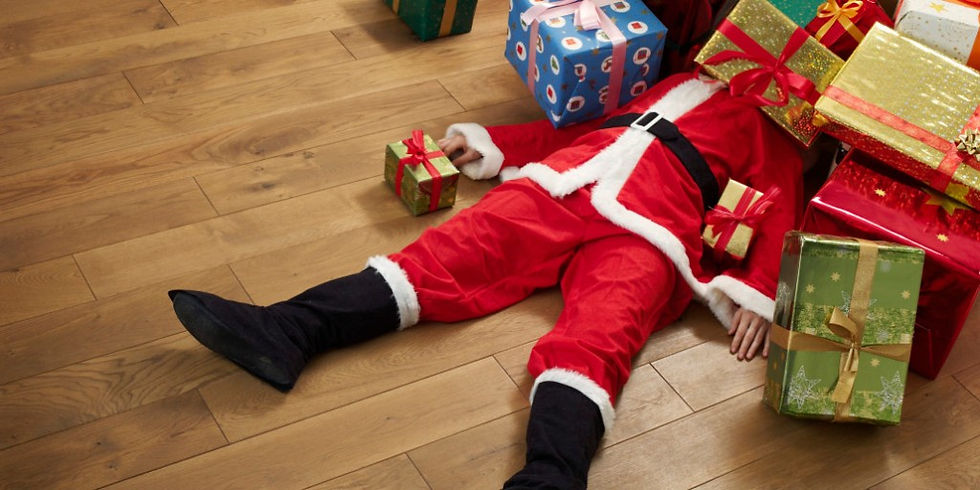
So that was that, a funny turn of phrase, like so many weird German phrases (remind me one day to tell you about the one involving horses and pharmacies!).
Or was there more to it? But of course there is, I wouldn’t write a blog post about it otherwise now would I? Before we had the phrase ‘Zwischen den Jahren’, the days after the Winter Solstice marked a time of a seasonal stand still that was filled with legends, traditions and stories. The origin of the phrase can be traced back to the difference between the lunar and solar year. The solar year, or the time it takes for the earth to go around the sun, which makes up our calendar, is 365 (and a bit) days, whereas the lunar year, 12 full cycles of the moon, is only 354 days. The difference 11 (and a bit) days and 12 nights. The 12 days of Christmas or the days between the different years.
The calendar year as we now know it, the Gregorian calendar, was only introduced in 1582, by Pope Gregory the XIII and is based on the solar calendar with alterations from the previously used Julian calendar mainly concerning leap years and how they are handled. Before that we (or everything under Roman influence) used the Roman calendar, which was originally a lunar calendar.
Its’ a long convoluted story how we ended up with the calendar day count we have now, but suffice to say in the past the calendar looked different.
For example: Today is the 27th of December 2025 in the Gregorian calendar.
It would be 14th of December if we still followed the Julian calendar, because it didn’t measure the solar year accurately enough and the Roman Calendar was based on the lunar year and if you want to know, today would be the 4th day before the Ides of December in the year 2778. But that’s just for fun!
The difference between the solar and lunar calendar is basically what made those ‘in between’ days special. That and the seasonal standstill of the world holding its breath until the wheel of the year starts turning towards the next season. We don’t really notice the extra time of light during the day until much later in January. Straight after the solstice (which translates as ‘stand still of the sun’) everything seems to pause for a while.

There is another aspect here though. The phrase "between the years" has a very otherworldly feel to it, doesn’t it?
It sounds like neither in this world nor the other, in purgatory, in the veil, in limbo etc. Those are all words connected to the underworld or the life beyond. No wonder than that in the old times, before everything was Christmas during the winter, this time of year was full of ghostly entities and evil spirits that needed to be kept away.
Rituals like the burning of the Yule log were connected to exactly this.
The stories that were told at this special time of the year are also often connected to the underworld.
Another German word I came across to describe those specific days is "Rauhnächte", which, like so many other pagan traditions, became incorporated into Christianity.
Originally "Rauhnächte" were a time that saw the Wild Hunt (more about this in a minute) and it was also considered a perfect time for divination. The translation and origin of the word isn’t entirely clear, but the one I like to go with is that it comes from "Rauch" or "Weihrauch", meaning smoke and incense. Keeping the fires and the incense burning to ward off evil.
Another interpretation is that it comes form the old word for fur and relates to the fur of demons and evil beasts roaming the earth during this time.

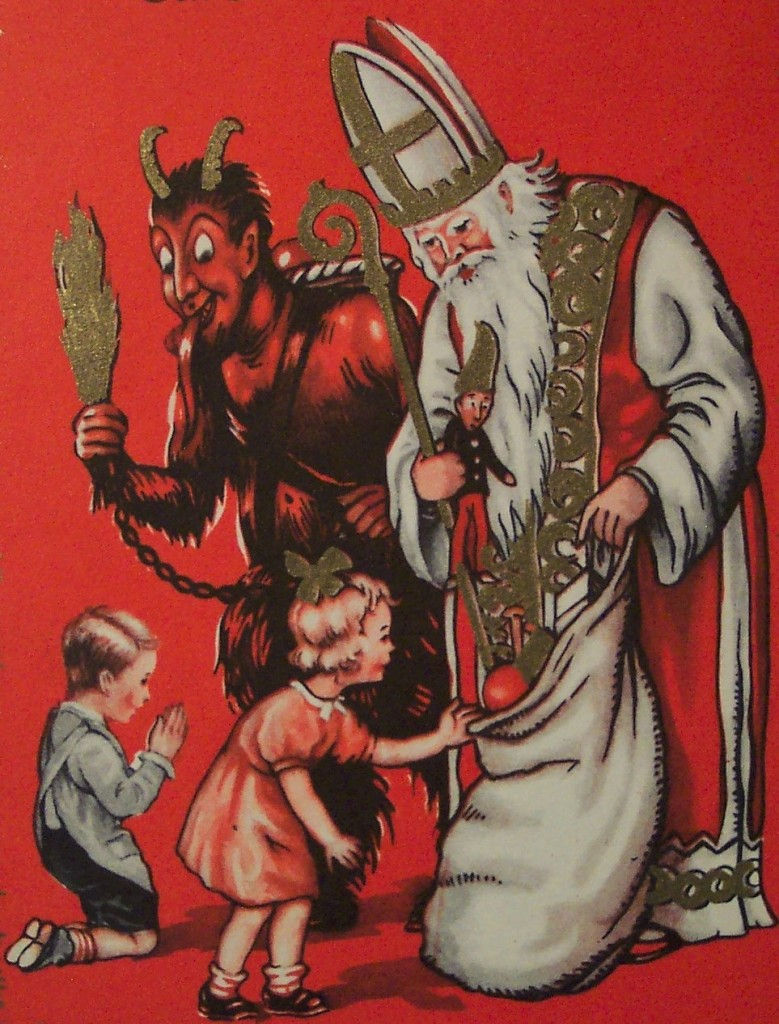
Bang in the middle of the "Raunächte" falls the start of the Wild Hunt. It was also known in Germany as "Wildes Heer" (Wild Army), its leader having various identities depending where and when you look historically speaking. They included Wodan (Germanic version of Odin), Knecht Ruprecht (remember him for my last blog post?) and even Frau Holle (Mother Holda, ancient Germanic Goddess also known from Grimm's Fairytales).
It marks a time where the doors to the underworld were open and unrestful souls, spirits as well as demons could roam the earth freely, spelling doom for any luckless human stumbling upon them.
Fires were lit to keep these armies away, even the tradition of New Years’ fireworks comes from here, even if originally it was just about making as much noise as possible.
The Wild Hunt is said to stop when doors to the underworld close. On our modern calendar that would be on the 6th of January. Or to say it another way, it’s when the gap between the lunar and solar calendar closes.

The Wild Hunt itself has multiple fascinating stories attached to it in Germany, all the above mentioned entities have their own and there are many more. If Germanic lore fascinates you, I can highly recommend reading Jacob Grimm’s German Mythology book (I believe the English published title is Grimm’s Teutonic Mythology) and yes, we are talking about the Brothers Grimm. They wrote down way, way more than fairytales.
The other part of the "in between" days we must talk about is the time for divination.
There are lots of different stories about forms of divination that are linked to the "Rauhnächte" too, ranging from farm animals that gain the ability to speak in certain nights during this time and are able to tell the future, to unmarried women being able to see their future husbands at the crossroads at night. In both cases the advice is not to interact or certain death is near!
One particular form of divination, specific for this time of the year, has endured over the centuries and lots of Germans still practice it, even if they usually have absolutely nothing to do with divination, witchcraft or any other magickal stuff.
Molybdomancy or ‘Bleigießen’ in German, is a form of divination using molten lead, nowadays usually tin or wax as lead is pretty toxic.
The idea is to melt the lead/tin/wax in a spoon over a flame and pour it into a pot of cold water. You then interpret the shape to answer your question or know your future. In some variants the metal shape is rotated in front of candle light and the resulting shadows interpreted instead.
The shape the material is in before melting it can refer to a specific area of life too, like a heart shape as a symbol for the love life. A fascinating thing to do around New Year. If you want to try it Molybdomancy kits are available to buy on online.

So you see the phrase ‘zwischen den Jahren’ is much more than just a turn of phrase when you really look into it. It is actually a rather strange time that falls straight after all the celebration and feasting of the winter solstice. A time to be careful not to upset the spirits, to stay indoors and keep the fires burning. A time for story telling and divination. A time in between sleeping and waking. So this year, after all the celebrating, when you are sitting on the sofa still in your pyjamas and can’t find the energy to even get dressed, while trying to find something else to watch on Netflix, remind yourself that our ancestors mostly sat this one out too. Warmest blessings

Please don't forget to scroll all the way down to leave a comment and don't ever miss a post by subscribing right here


Interesting read as always. By the way - in Britain, we didn't let off fireworks at New Year's Eve/New Year until the millennium celebrations in the year 2000. I wish they wouldn't now to be honest as I loathe fireworks with a vengeance - I'm a huge fan of peace and quiet and I know it upsets pets and wildlife...
Hope you had a good Christmas!
I was feeling raw and emotional…….really enjoyed reading this post and putting it into context! ♥️